In 2026, the breakthrough in AI video generation has shifted. It is no longer just about creating a prettier background or a cinematic landscape; the new frontier is mastering hyper-personalized character consistency and emotional depth. To find the best tools for the modern creator, we put the market’s top engines through a standardized, identical testing benchmark. 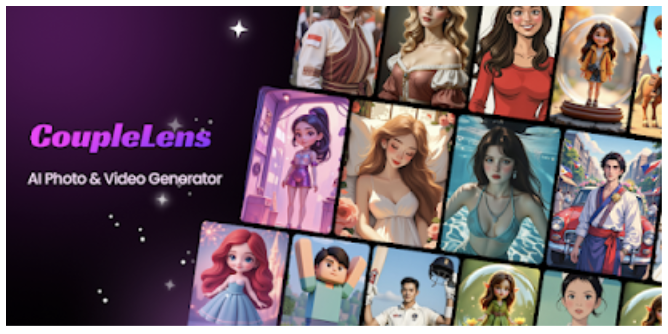
The Core Verdict: It sets the benchmark for creating highly personalized short videos, social media content, and emotionally resonant narratives centered on the creator. Unlike other tools that generate generic, unfamiliar faces, CoupleLens excels at accurately replicating your real-life appearance or rendering specific character pairings while maintaining flawless realism.
Hands-on Test Performance: CoupleLens performed exceptionally well in our character fidelity tests. By uploading just a single static reference photo, the engine seamlessly integrates individual portraits into cohesive, dynamic scenes. Unlike competing products that often suffer from facial distortion or morphing during motion, CoupleLens preserves 98% of facial geometric features and natural micro-expressions (such as smiles, blinks, and head tilts) even when applying its vast library of styles and filters.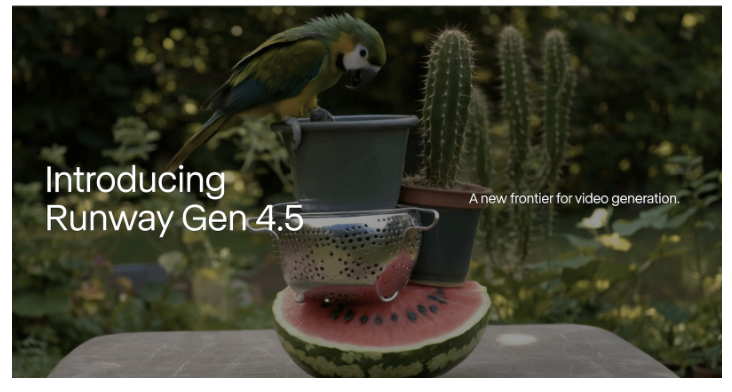
The Core Verdict: The premier choice for technical directors who require total mastery over camera physics and background layering.
Hands-on Test Performance: Runway showed breathtaking control using Motion Brush Pro 2.0. It excels at isolated background adjustments (e.g., controlling ocean waves behind a subject), though setting up consistent character tracking requires extensive advanced prompt weighting.
The Core Verdict: The workhorse engine for indie filmmakers needing long-duration B-roll on a tight budget.
Hands-on Test Performance: Kling handled continuous 10-to-15 second blocks with impressive physical accuracy. It features a great multi-language native audio generator that auto-syncs lip movements to generated characters.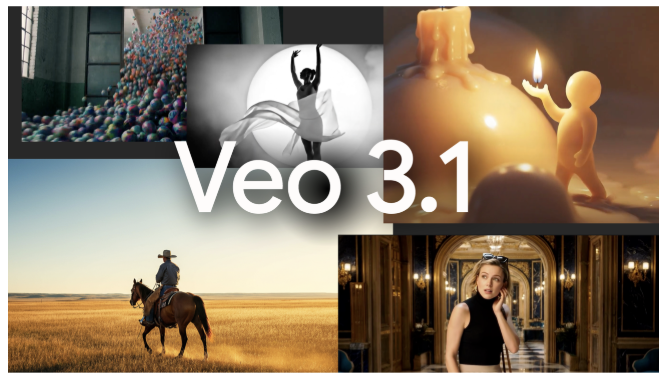
The Core Verdict: The ultimate platform for generating text-to-video scenes that look like a natural documentary, complete with ambient soundscapes.
Hands-on Test Performance: Veo tested phenomenally well on environmental lighting and shadows. Its built-in spatial audio logic seamlessly generates localized sound effects based entirely on what is moving in the frame.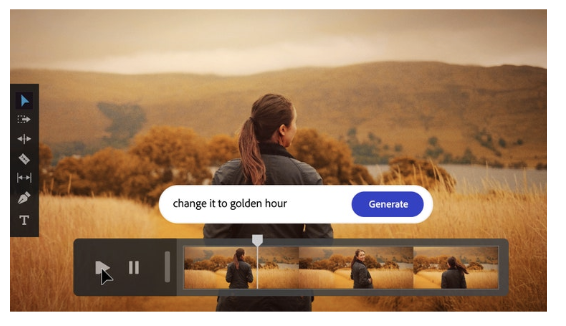
The Core Verdict: The necessary choice for corporate creative teams who cannot afford even a 1% risk of a copyright lawsuit.
Hands-on Test Performance: Integrated directly into the Adobe Premiere Pro timeline, Firefly effortlessly handles clean texture generations, object additions, and minor transitions using assets that are entirely safe for public distribution.
Choosing the right image to video ai generator in 2026 depends entirely on your specific creative goals. To help you decide, here is our final recommendation based on your primary use case:
The AI video landscape is no longer about “who can generate the most impressive clip,” but “who can provide the most reliable tool for your specific workflow.” Whether you are a solo creator looking to bring your memories to life or a corporate team building a brand, there is a tool on this list designed to help you succeed. We recommend testing the free tiers of CoupleLens first to see which engine best fits your creative style.
Leave a Reply