Learn more about NASA's Eyes software, which turns your browser into a spacecraft to explore hundreds of planets, moons, and over 170 real NASA missions and their data in stunning, interactive 3D. Visit frequently to get all the latest news, updates, tutorials and features.
Jason Craig
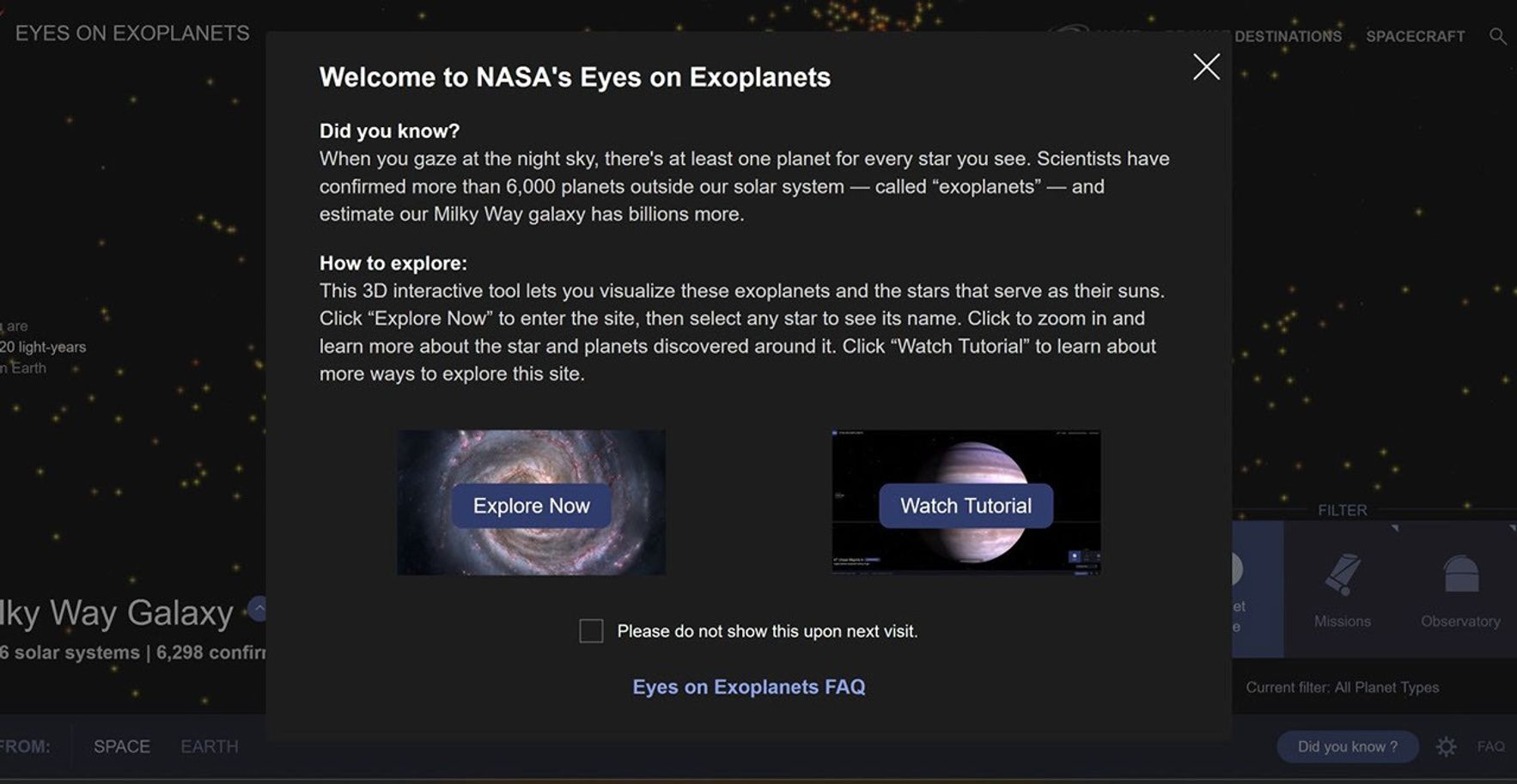
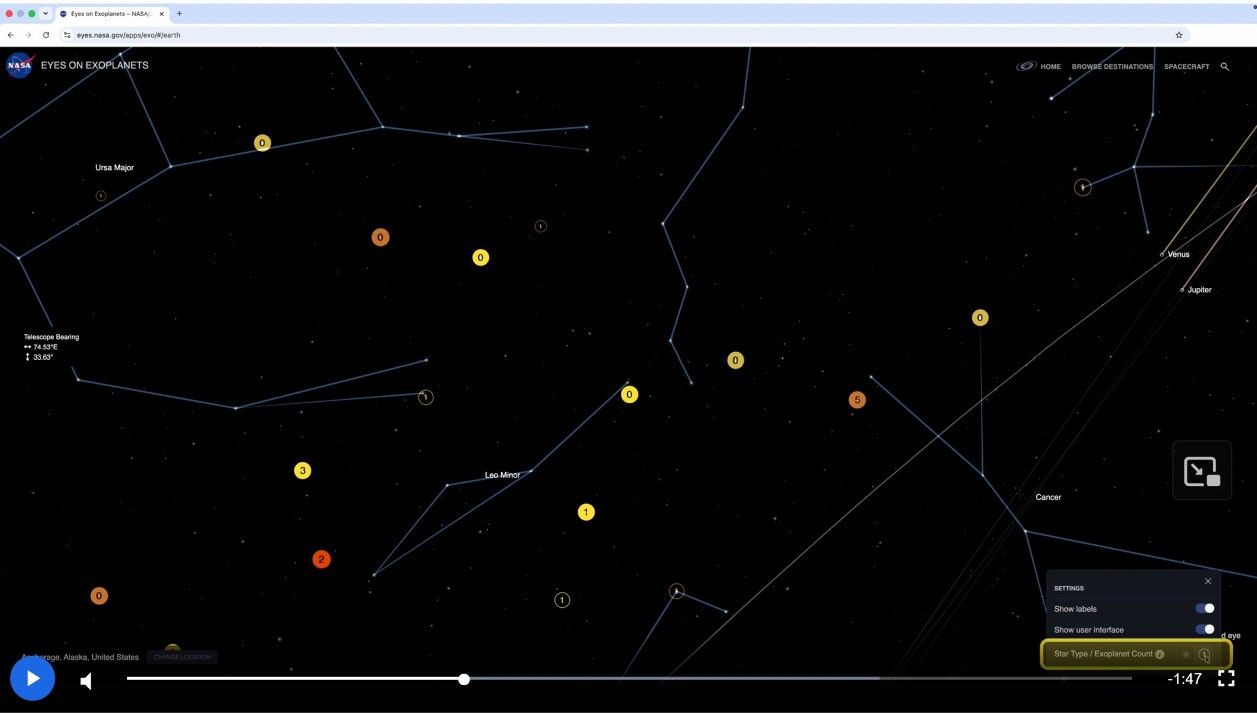
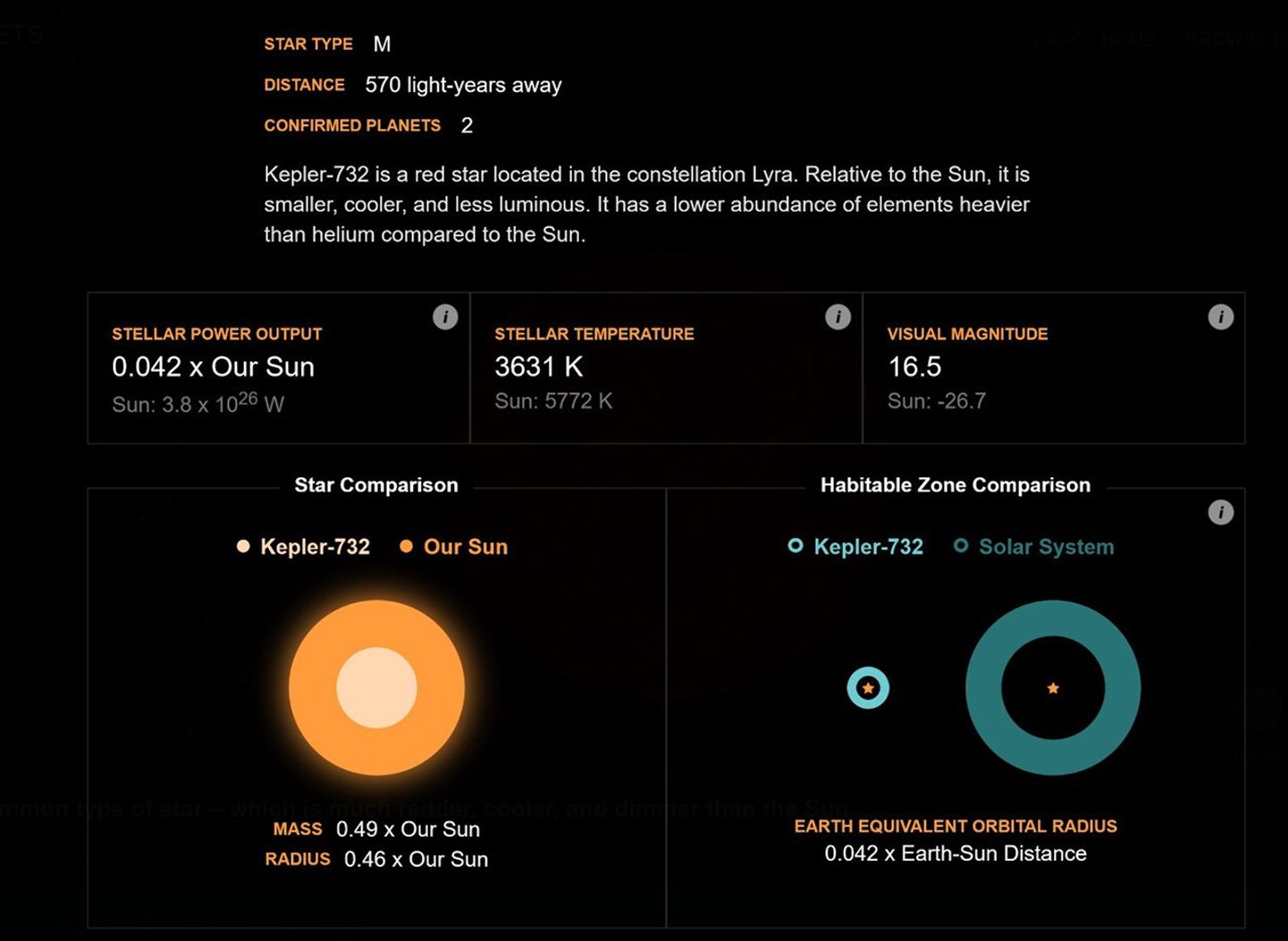
A major update to Eyes on Exoplanets was released on June 11, 2026, complete with a brand-new tutorial. The introductory welcome screen was completely updated, and in a major upgrade, every single star in the app (4,716 stars and counting) now has its own description panel, similar to those of the exoplanets in the application.
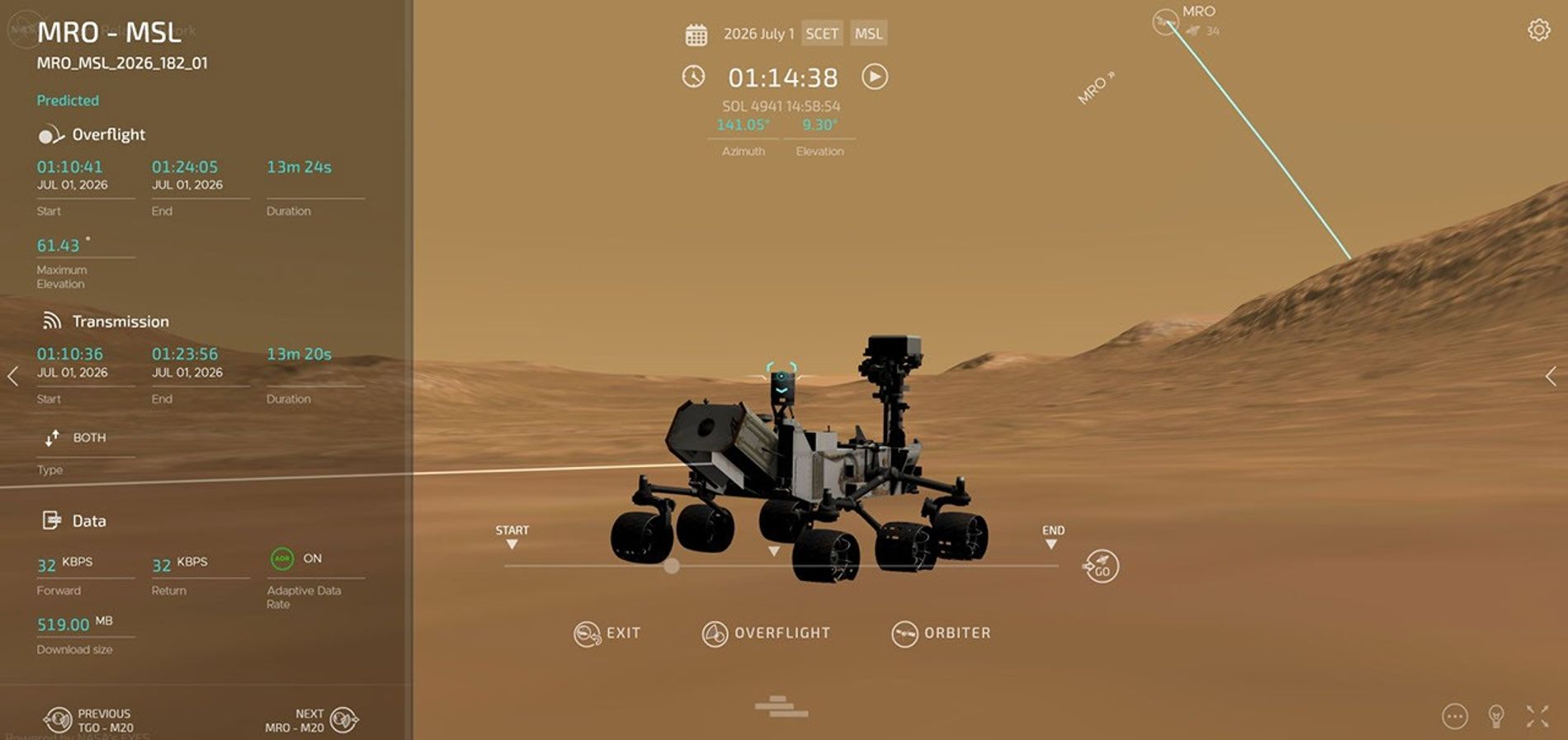
On Monday, June 29, 2026, a new version of the Mars Relay Network (MRN) was released, containing several upgrades. The surface terrain at Mars now loads substantially faster, and there are now indicators pointing to where the Mars orbiters are flying overhead for each data transmission, making it easier to find them. In addition, for past overflights, you can now see the predicted versus actual data transmission values, which are not always the same number, as sometimes terrain features cut off the signal from the orbiter to the rover.
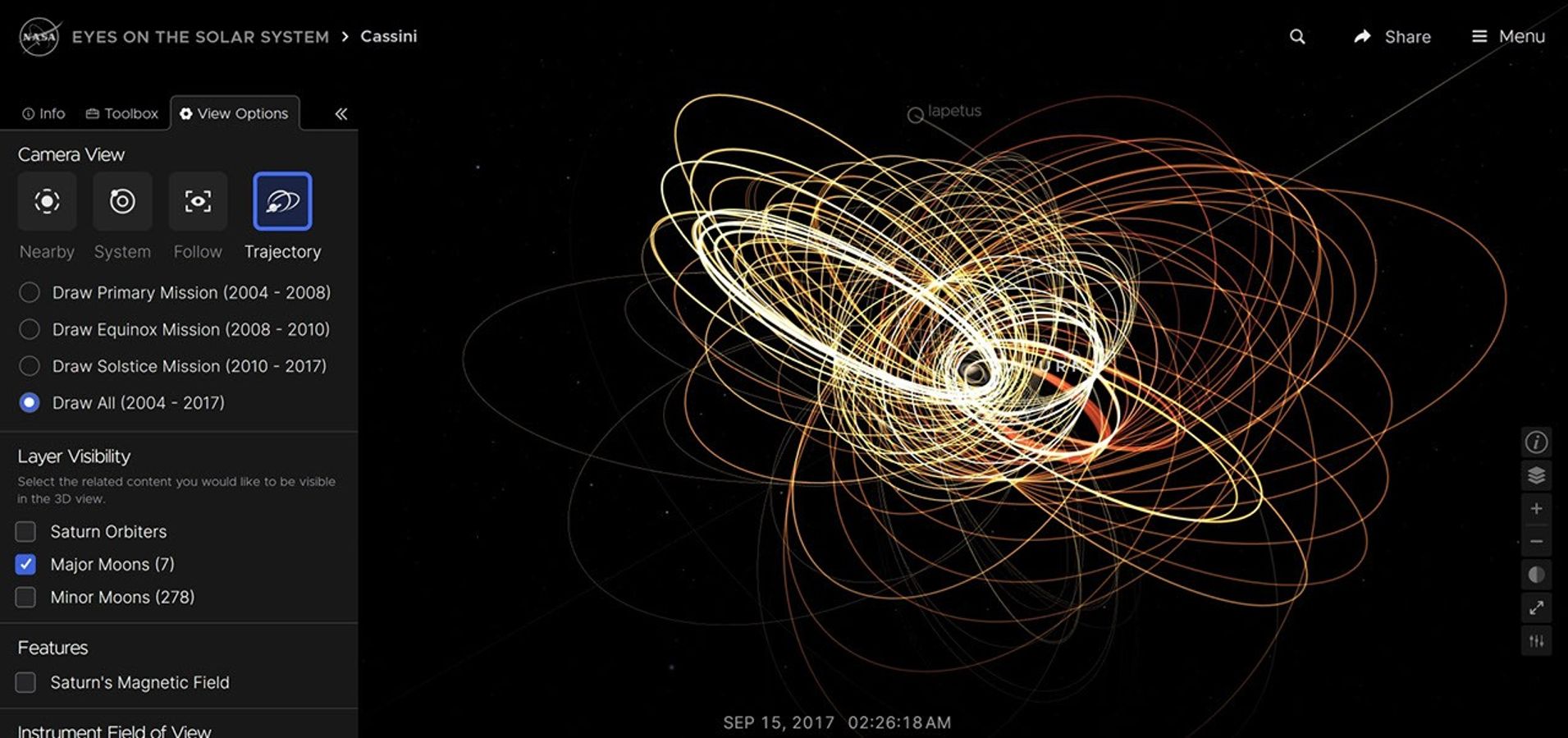
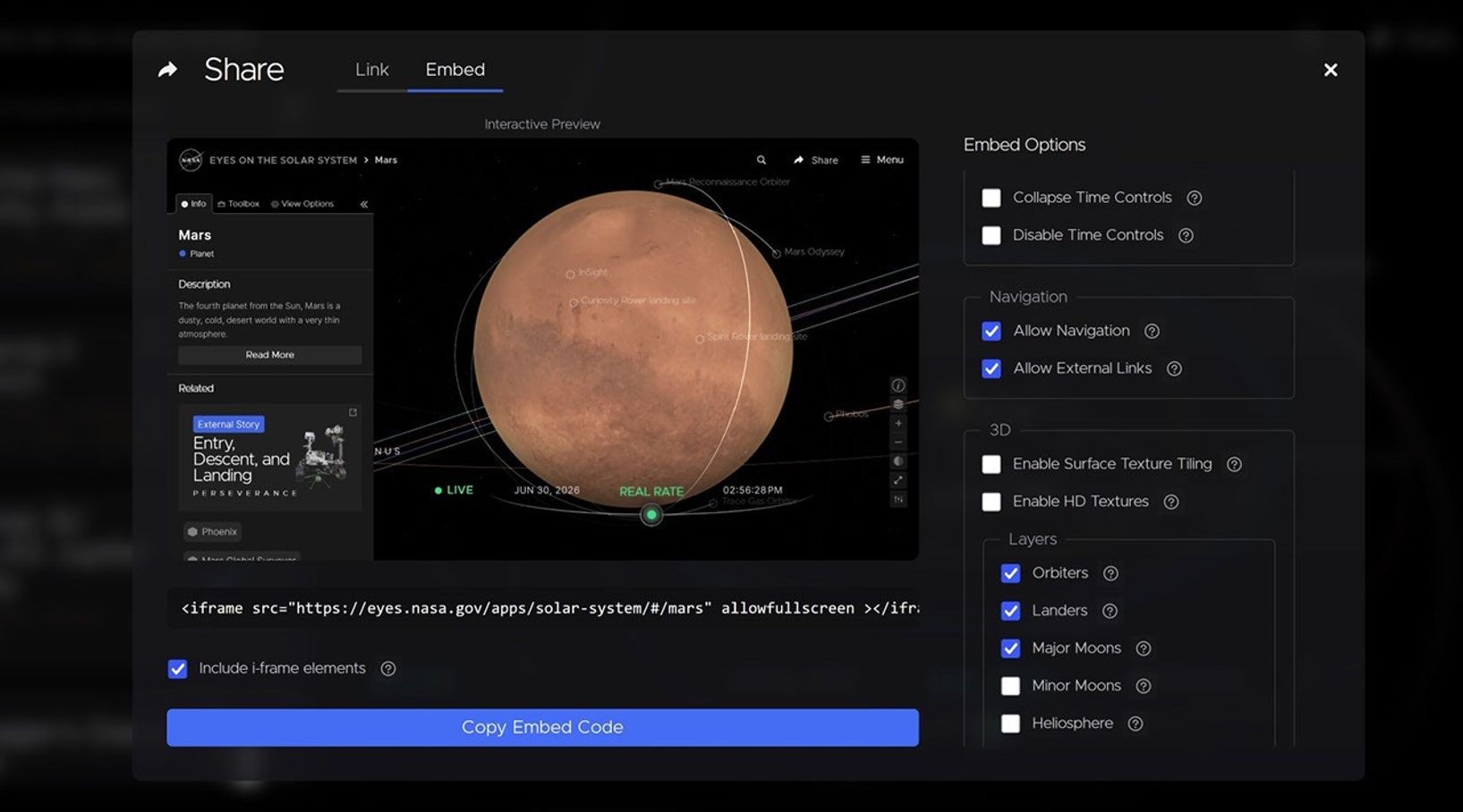
Finally, Eyes on the Solar System was released on June 30, 2026, featuring a new full trajectory animation of the Cassini mission, showing the cumulative orbit lines from 2004 to 2017, which is sometimes referred to as the “ball of yarn”. This release also features several added options for embedding links into a webpage with customized features, such as removing the time controls, or choosing to display all of the minor moons of planets like Saturn and Jupiter.
Here is a short video that explains some of the changes for the month of June.
To view this video please enable JavaScript, and consider upgrading to a web browser that supports HTML5 video
Jason Craig
NASA explores the unknown in air and space, innovates for the benefit of humanity, and inspires the world through discovery.
Leave a Reply