
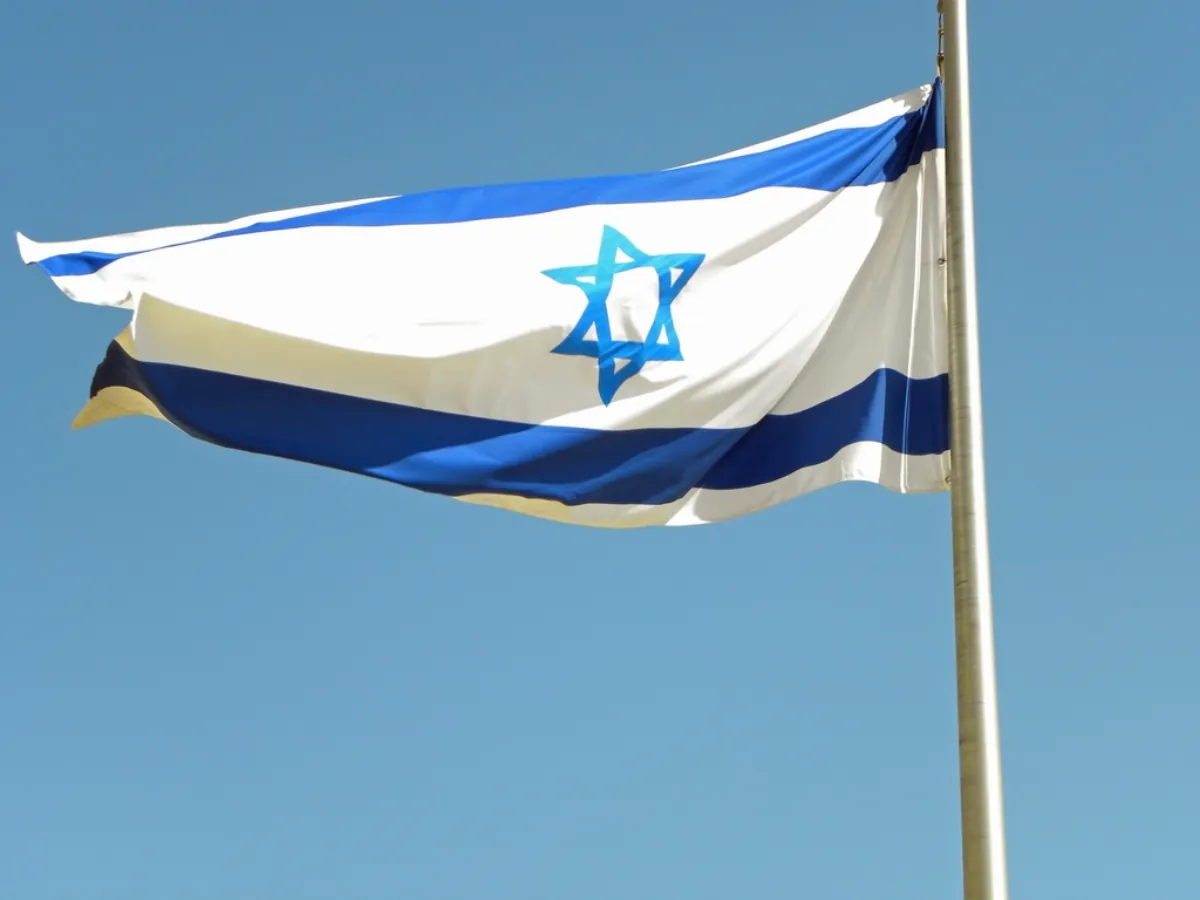
For most of the last 17 years, one name has sat at the top of Israeli politics: Benjamin Netanyahu. On Tuesday, voters get their first full say since the October 7, 2023 attacks, and the man most polls now see as his main rival is a former army chief who entered politics with a brand-new party.
Israelis vote on October 27, 2026 to elect all 120 members of the Knesset, the country’s parliament. Netanyahu’s right-wing and religious bloc faces an opposition camp led in the polls by Gadi Eisenkot’s Yashar party. The final surveys before the polling blackout suggest neither side is on track for the 61 seats needed to govern alone, which means the real fight may start after the votes are counted.
Quick Facts
- What: Israel’s Knesset (parliamentary) election
- When: Tuesday, October 27, 2026
- Who: PM Benjamin Netanyahu (Likud) vs an opposition led by ex-military chief Gadi Eisenkot (Yashar)
- Magic number: 61 of 120 seats for a majority
- Entry bar: parties need 3.25% of the vote to win any seats
- Voters: about 7.3 million eligible, including around 1.2 million Palestinian citizens of Israel (per Al Jazeera)
Israel Election 2026: Who Is Running Against Whom
Israel does not vote for a prime minister directly. People vote for party lists, seats are shared out by vote share, and whoever can stitch together 61 seats forms the government. So the contest is really between two blocs.
The Netanyahu camp brings together Likud, the ultra-Orthodox parties United Torah Judaism and Shas, Itamar Ben-Gvir’s Otzma Yehudit, and Bezalel Smotrich’s Religious Zionism-Zehut list.
The opposition camp is more crowded. It includes Eisenkot’s Yashar, Yair Golan’s The Democrats, Avigdor Lieberman’s Yisrael Beiteinu, and a merged list called Together, headed by former PM Naftali Bennett and joined by opposition leader Yair Lapid.
Then there are the Arab parties, Ra’am and the Joint List. Neither bloc has openly invited them into a coalition, but their seat count could decide whether anyone reaches 61. Earlier this autumn the Central Elections Committee voted to bar both lists; Israel’s top court overturned that, though it did force one Balad leader off the ballot over remarks about October 7, Al Jazeera reported.
What the Final Polls Say
The short answer: it depends who you ask.
A poll by public broadcaster KAN, cited by Al Jazeera, gave the opposition 52 seats and Netanyahu’s bloc 50, with the rest going to parties outside both camps. Over the summer, Channel 13 and Channel 12 surveys showed Yashar edging past Likud, with 43% of respondents in one poll naming Eisenkot as the most suitable prime minister against 34% for Netanyahu, according to Al-Monitor.
The right-leaning Channel 14 has told a different story, with Likud well ahead and the current coalition close to a majority. Israeli law bans new polls in the final days before the vote, so there is no fresh data for the last stretch.
Turnout among Arab citizens is a big swing factor. Al Jazeera noted that if it reaches 65%, Arab parties could win up to 15 seats, which would make a clean majority for either bloc much harder.
The Iran Question Hanging Over the Vote
The campaign has played out against renewed tension with Iran. The Financial Times and Israeli outlets reported this month that Netanyahu had asked the military to prepare a new multi-day campaign against Iran, and that US President Donald Trump held off any fresh strikes until after the US midterms on November 3. Netanyahu’s office has denied that he wants a war before the election, and the White House denied that the two leaders discussed resuming fighting.
According to Israeli media, IDF Chief of Staff Eyal Zamir warned that fighting before the vote could lead to it being postponed, and he cancelled troop leave through election day to keep voting secure. Under Israeli law, delaying an election needs 80 of the 120 MKs, the Jerusalem Post noted, and Likud officials reportedly believe they could not get that support.
Opposition figures, including Yair Golan, have accused Netanyahu of using security for political ends. Eisenkot said he knew of no development that would justify immediate joint US-Israeli action against Iran.
The Issues Driving Israeli Voters
- Accountability for October 7: many voters want answers on the security failures before the 2023 attack.
- Army service for the ultra-Orthodox: exemptions for Haredi men are a major flashpoint. Eisenkot is campaigning on a universal national service law that would cover ultra-Orthodox and Arab citizens.
- Judicial changes: the government’s push to reshape the courts still divides the country.
- War fatigue: debate over Gaza, the West Bank and Lebanon, and how much to concede.
- Global standing: sanctions on settlements and walkouts during Netanyahu’s UN speech on September 24 have added to concern about Israel’s isolation.
Netanyahu, Israel’s longest-serving prime minister, also faces a corruption trial that began with charges filed in 2019, and an International Criminal Court arrest warrant over alleged war crimes, which he rejects. Analysts quoted by Al Jazeera say losing office could leave him more exposed in that trial.
Why the Israel Election Matters for India
India and Israel have built close ties in defence, farming technology, water management and trade, and those links have held across governments in both countries. Thousands of Indians also work in Israel, in sectors like construction and caregiving.
For Indian readers, the bigger question is regional stability. Any return to open conflict with Iran affects Gulf flights, oil prices and the safety of millions of Indians living across West Asia, as recent airport closures in Saudi Arabia showed. Who leads Israel next, and how they handle Iran, will shape that picture.
What We Don’t Know Yet
- Which bloc, if any, will reach 61 seats.
- Whether smaller parties will clear the 3.25% threshold. Lists that fall just short waste votes and can tilt the result.
- How long coalition talks will take. Past Israeli elections have needed weeks of bargaining, and some ended in repeat votes.
- What any new government’s line on Iran and Gaza will be.
What to Watch on Results Night
Keep an eye on three things: the Likud vs Yashar gap (the biggest party usually gets the first shot at forming a government), Arab voter turnout, and which small parties scrape past 3.25%. Official counts are published by Israel’s Central Elections Committee, and the Knesset website explains how government formation works.
FAQs
When is the Israel election 2026?
Israelis vote on Tuesday, October 27, 2026, to elect all 120 members of the Knesset.
Who is Gadi Eisenkot?
He is a former chief of staff of the Israeli military who now leads the Yashar party. Several polls this year have named him Netanyahu’s main challenger.
How many seats are needed to form a government in Israel?
A coalition needs at least 61 of the Knesset’s 120 seats. No single party has ever won that many alone, so governments are always coalitions.
Will Netanyahu win the Israel election?
Polls are split. A KAN poll put the opposition slightly ahead of his bloc, while a right-leaning channel showed Likud leading, and neither camp was clearly on course for a majority.
What is the electoral threshold in Israel?
A party must win at least 3.25% of valid votes to get any Knesset seats.
Based on reporting by Al Jazeera, The Jerusalem Post, Al-Monitor, Israel Hayom and The Times of Israel.














Leave a Reply