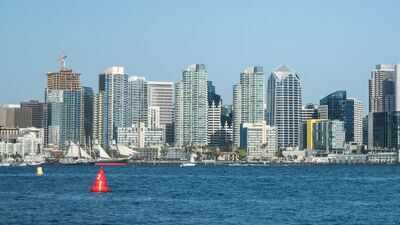
Place names often survive long after the circumstances that created them have faded from memory. San Diego is one of those cases. Today the name is associated with a major city on the southern coast of California, yet its origins lie in a period when European explorers were still trying to understand the shape of the Pacific coastline. The harbour, the settlement that followed, and eventually the city all inherited a name that emerged from a mix of exploration, religion and Spanish imperial ambition. The story stretches back more than four centuries and involves changing maps, shifting priorities and a saint whose name travelled across an ocean before becoming attached to one of the most recognisable places in California.
Who named San Diego originally and why was it first called San Miguel
pc: wikipedia
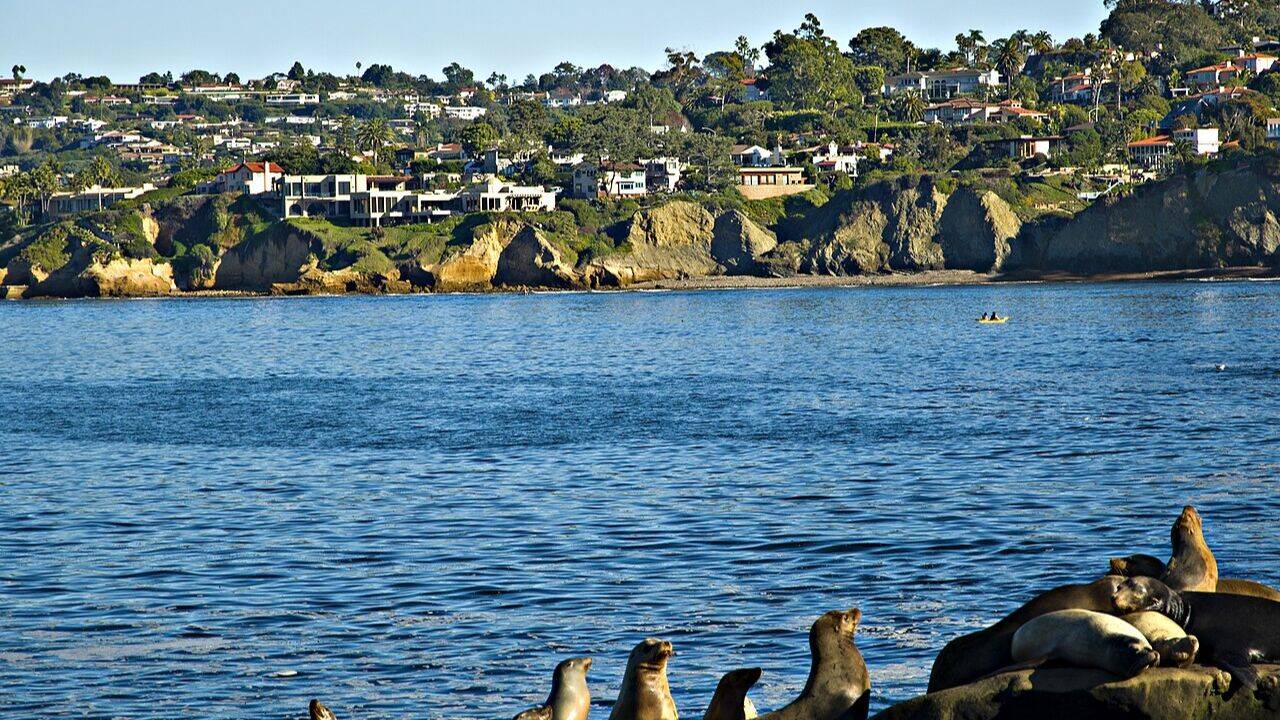
Long before European ships entered the bay, the region was home to Indigenous communities who lived across the coastline, valleys and inland areas. Their presence extended back thousands of years and formed the earliest chapter of the area’s history.The first recorded European arrival came in 1542 when Portuguese-born explorer Juan Rodríguez Cabrillo sailed north along the California coast in service of Spain. Upon reaching the harbour, he named it San Miguel. At that stage, the name San Diego did not exist on European maps. According to The Journal of San Diego History, for several decades the bay remained known by Cabrillo’s designation, while Spain continued to search for routes, harbours and strategic locations along the Pacific shore.The coastline itself remained only partially understood. Voyages were difficult, records were often incomplete, and descriptions of landmarks could be imprecise. As a result, later expeditions frequently revised earlier geographical names.
How San Diego got its name in 1602
pc: wikipedia
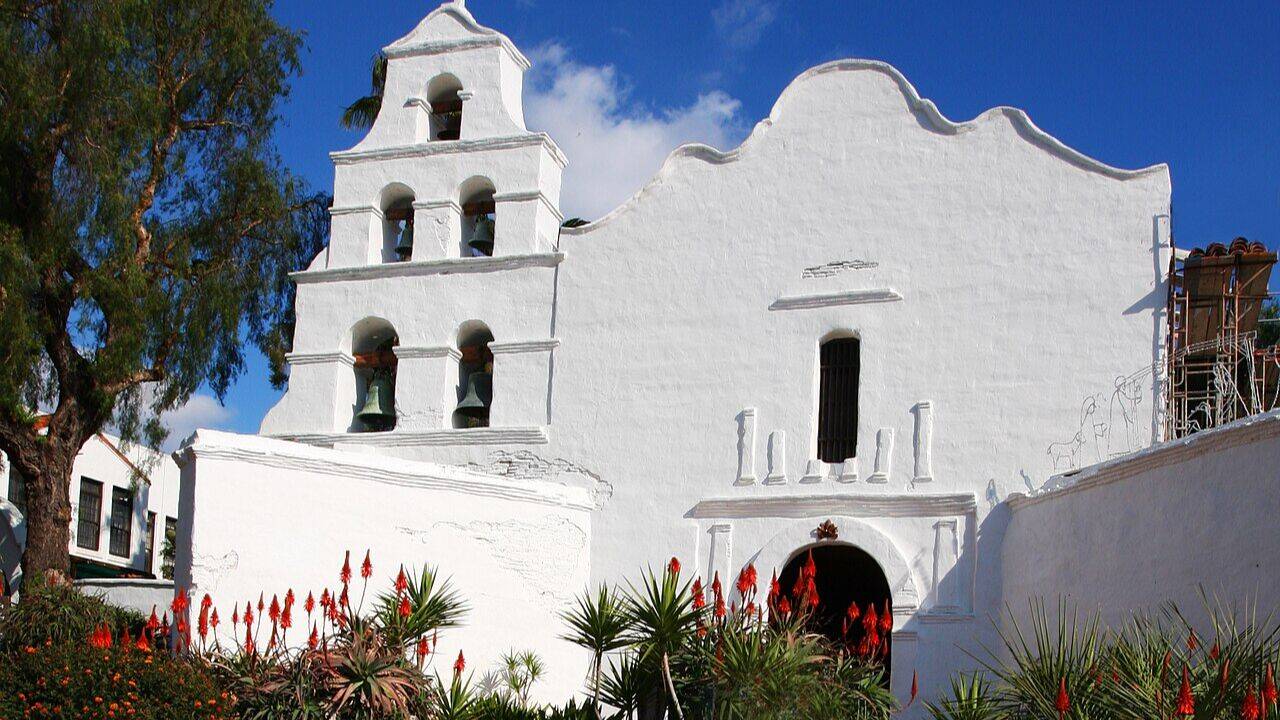
The turning point came in 1602 when Spanish explorer Sebastián Vizcaíno led an expedition to survey California’s coast. As per The Journal of San Diego History, Vizcaíno arrived in the bay in November of that year and anchored near what is now Point Loma. Two days later, priests travelling with the expedition established a temporary chapel and held a Catholic service on the feast day of San Diego de Alcalá.As reported in the journal, the bay was renamed San Diego on that occasion. The publication notes that the choice reflected both the feast day being observed and the name of Vizcaíno’s flagship, the San Diego.The renaming was part of a wider effort by Vizcaíno to revise earlier geographical labels. Believing that some of Cabrillo’s recorded observations were too uncertain for accurate identification, he replaced several names that had appeared on previous charts. The harbour’s earlier title, San Miguel, disappeared from common use and San Diego entered the historical record.
Who was San Diego de Alcalá, the saint behind San Diego’s name
pc: wikipedia
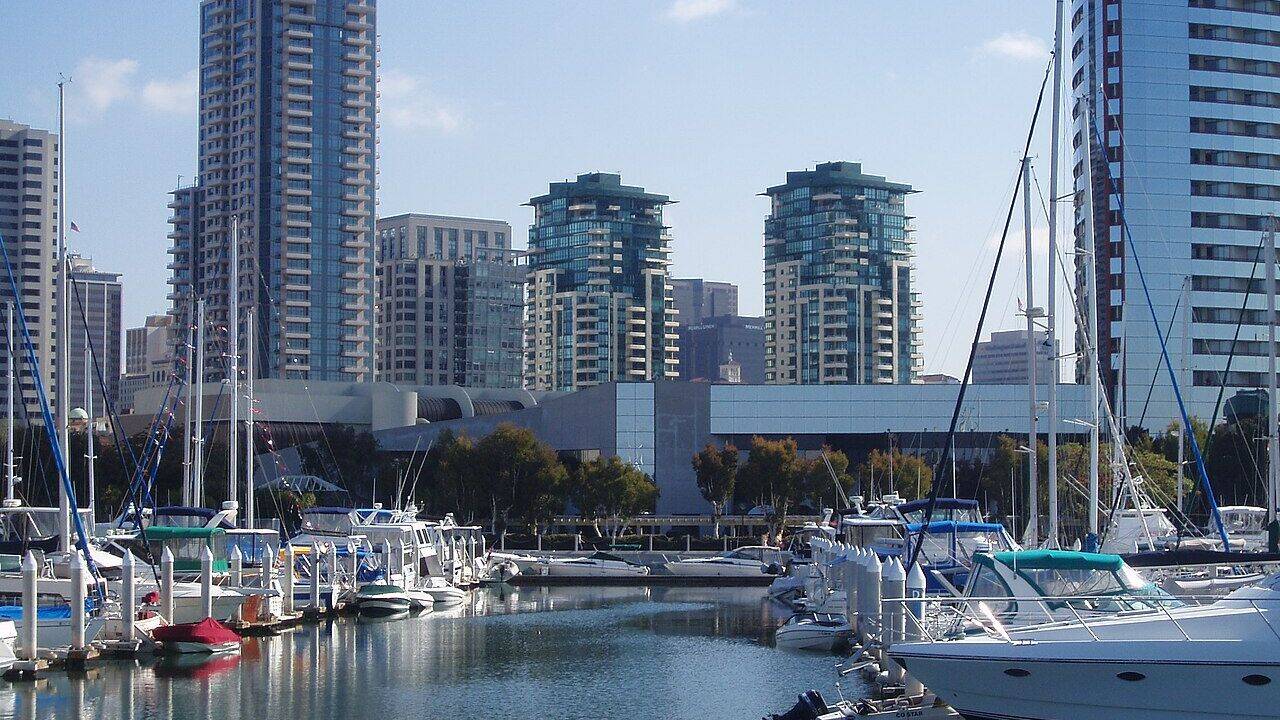
The figure honoured in the name was Didacus of Alcalá, known in Spanish as San Diego de Alcalá. He was a Franciscan friar who lived during the fifteenth century and later became recognised within the Catholic Church as a saint.For Spanish explorers, naming locations after saints was a familiar practice. Religious observances were woven into voyages of exploration, and feast days often influenced the names given to newly charted places. In the case of San Diego, the connection was particularly direct because the renaming occurred on the saint’s feast day during a religious ceremony held beside the bay.The choice reflected the worldview of the Spanish empire at the time. Exploration, missionary activity and royal expansion were closely connected. A place name could therefore serve as both a geographical marker and a religious dedication.
From colonial settlement to modern city: The story of San Diego’s name
The name initially belonged to the bay rather than a city. Settlement came much later. More than a century and a half passed before Spain returned to establish a permanent presence in the region.In 1769, Spanish authorities founded both a mission and a presidio near the harbour. According to The Journal of San Diego History, these institutions were named San Diego in honour of the saint whose name Vizcaíno had attached to the port decades earlier.From that point onward, the name became firmly embedded in the area’s identity. It appeared on maps, official records and colonial settlements, surviving political transitions from Spanish rule to Mexican administration and eventually incorporation into the United States.
Leave a Reply