
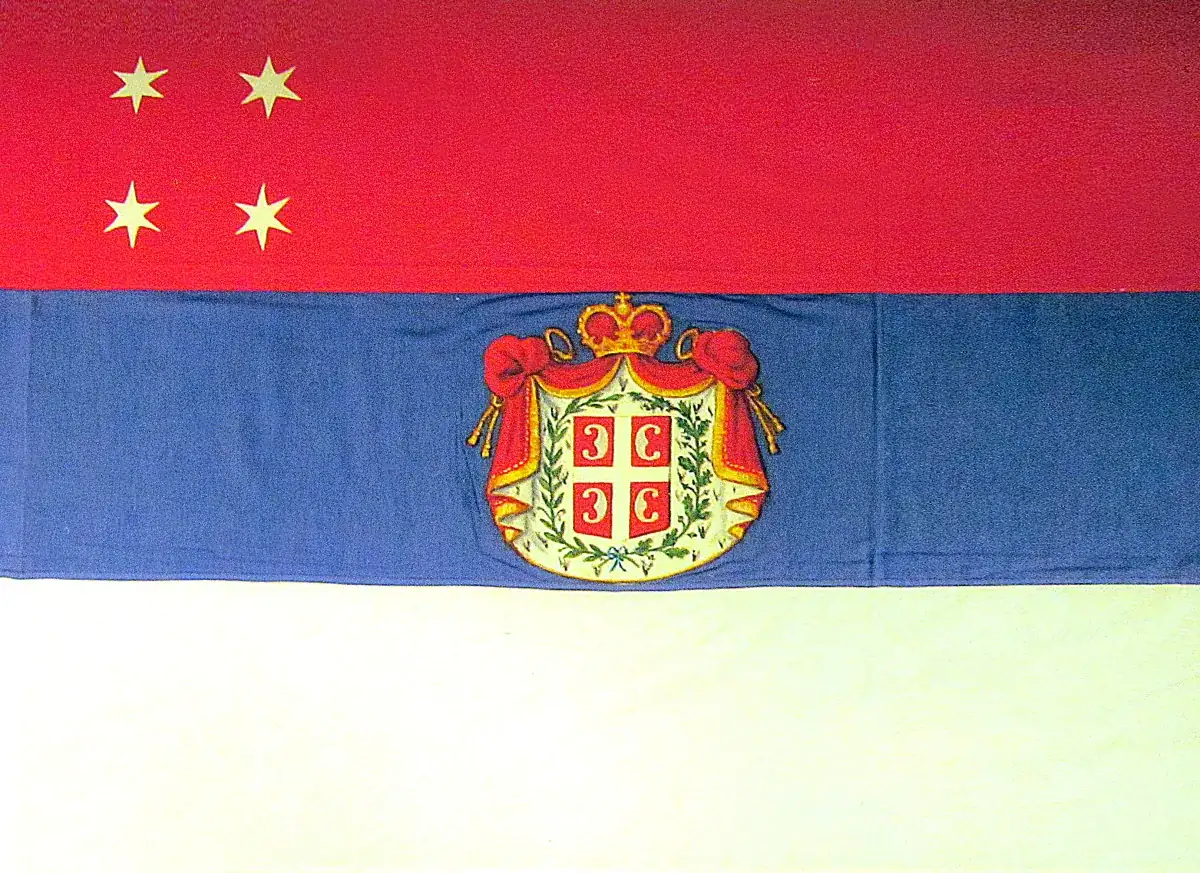
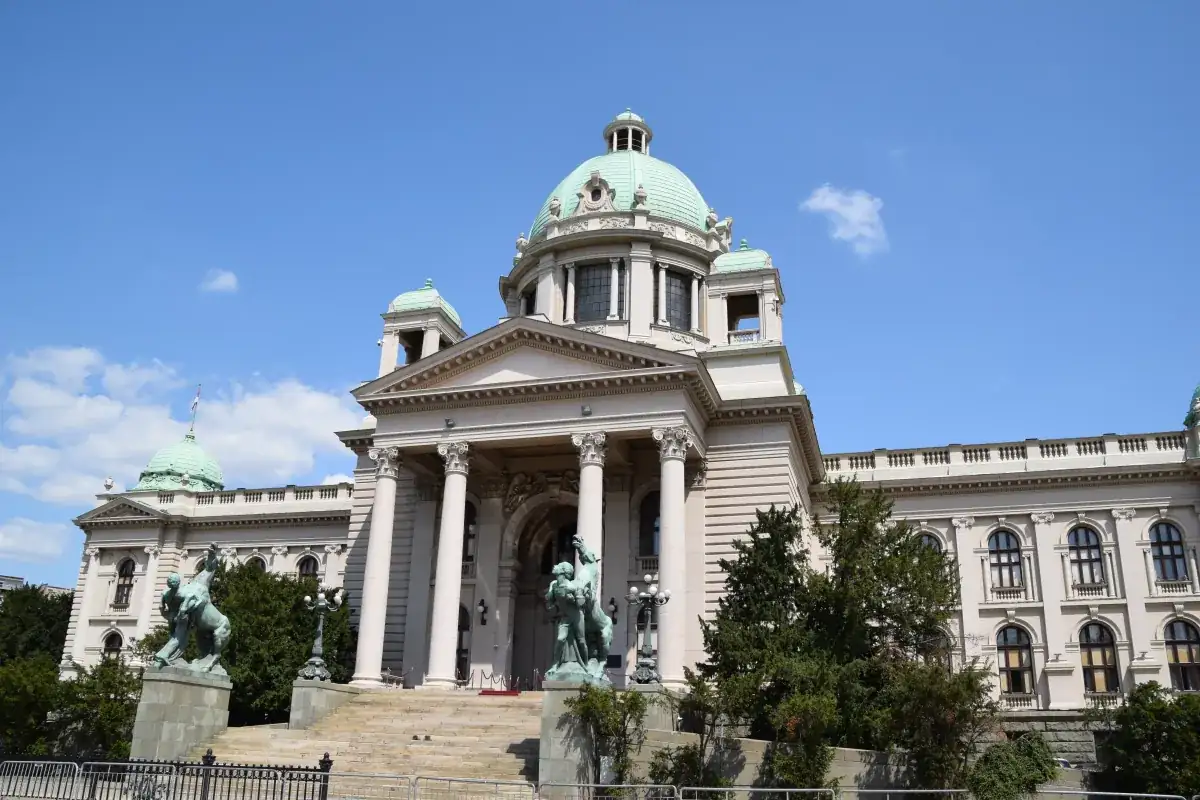
Two years ago they were students blocking roads and lecture halls. On Sunday night they won a country. Aleksandar Vucic, the man who has dominated Serbian politics for more than a decade, went on air and admitted his party had lost.
In Serbia’s snap parliamentary election held on October 25, 2026, the protest-born Student List is projected to take a clear majority in the 250-seat National Assembly. Vucic conceded late on Sunday, citing preliminary results, as crowds poured into the streets of Belgrade to celebrate. Turnout was close to 70%, the highest since the break-up of Yugoslavia, according to France 24.
Quick Facts
- Who: Aleksandar Vucic and his Serbian Progressive Party (SNS) vs the student-led Student List
- What: Vucic conceded defeat in the early parliamentary election
- When: Vote held Sunday, October 25, 2026; concession came the same night
- Where: Serbia, with voting also held for Serbs abroad
- Key numbers: CESID-IPSOS sample projects about 138 seats for the Student List and 104 for SNS out of 250; turnout near 70%
Vucic Concedes: What He Said
Vucic did not wait for the official count. Speaking on Sunday night, he said it was clear his side had lost and that the Student List had won. By his own reading of preliminary figures, the students were on course for 135 to 140 seats, with his SNS at around 105.
He had promised before the vote that his party would accept the outcome, and he repeated that line in defeat. “It is clear that we have lost these elections,” he said, as quoted by France 24 and Al Jazeera.
A representative vote sample from pollsters CESID and IPSOS pointed the same way, giving the Student List about 138 seats and SNS about 104. The remaining seats are expected to go to parties representing ethnic minorities. These are projections based on samples, not the final certified result.
Record Turnout and Celebrations in Belgrade
Long queues were a feature of the day. Voters lined up across Serbia and at polling stations abroad, some through the night because voting hours abroad followed Serbian time. Vucic himself reportedly waited around two hours in line with his wife before casting his ballot.
Once the concession came, central Belgrade filled with cheering crowds. At the Student List headquarters, Belgrade University professor Radomir Sajcic said the voice of the people had been heard and that the work of building the future would start the next day.
The day was not entirely calm. Reports described police cordons in the capital and several violent incidents during voting, along with police vehicles near a Belgrade park where Vucic supporters have been camped for more than a year. We covered the voting day itself in our earlier report on Serbia’s record turnout.
How the Student Protest Movement Got Here
The story starts in Novi Sad. On November 1, 2024, the concrete canopy at the city’s railway station collapsed, killing 16 people. For many Serbians it became a symbol of corruption in public works, and students led the anger that followed.
What began as campus blockades grew into nearly two years of protests joined by professors, doctors and workers. Vucic called the protesters “blockaders” and accused them of trying to destabilise the country. Under mounting pressure, he resigned as president in September 2026, more than a year before his term was due to end in 2027, and called early elections. His plan was to lead SNS into the vote and return as prime minister.
The students formed the Student List, a slate of 250 candidates made up largely of university professors and professionals. Its campaign was led by Ilija Srdanovic, a medical faculty professor in Novi Sad, and it ran on fighting corruption, freeing public institutions from party control and restoring citizens’ rights. The movement describes itself as leaderless.
Who Is Aleksandar Vucic?
Vucic, born in Belgrade in 1970, began his political career in the 1990s in the nationalist Serbian Radical Party. In 2008 he co-founded SNS, which moved closer to mainstream European politics. He served as first deputy prime minister from 2012, prime minister from 2014 and president from 2017, winning re-election in 2022. His party has been in power for 14 years.
Supporters credit his governments with falling unemployment, a much larger economy, record foreign investment and new motorways, according to official figures cited by Al Jazeera. Critics say living costs and public debt remain heavy burdens, and accuse the authorities of tightening control over institutions and the media.
Why the Serbia Election Results Matter Beyond Serbia
Serbia is a candidate to join the European Union but has long tried to balance ties with Brussels, Russia and China. It has not joined EU sanctions on Russia, which has been a sticking point in its membership talks. A new government led by the student movement could change that balance, though it has not yet set out a detailed foreign policy.
Analysts are also drawing comparisons with neighbouring Hungary, where Viktor Orban lost power earlier this year with young voters playing a big role. For India, Serbia is a smaller partner, but a change in Belgrade will be watched closely across Europe, a region where Indian trade and diplomatic engagement keep growing.
What We Don’t Know Yet
- The final certified seat count and exact vote shares from Serbia’s electoral commission
- Who the Student List will nominate as prime minister, and whether it will govern alone or with minority parties
- Vucic’s own next step and the future direction of SNS in opposition
- Official reactions from the EU, Russia and other governments
FAQs
Who won the Serbia election 2026?
The student-led Student List is projected to win, with about 138 of 250 seats according to a CESID-IPSOS sample. Aleksandar Vucic conceded defeat on election night.
Did Vucic accept the result?
Yes. He publicly said his side had lost and that the Student List had won, and he had earlier promised to respect the voters’ decision.
What was the turnout in the Serbia election?
Turnout was close to 70%, which France 24 reported as the highest since Yugoslavia broke up in 1992.
Why were students protesting in Serbia?
The protests began after a railway station canopy collapsed in Novi Sad in November 2024, killing 16 people. They grew into a wider movement against corruption and what protesters called creeping authoritarianism.
Who will be Serbia’s next prime minister?
That has not been announced yet. The new parliament must first be constituted before a government is formed.
For official figures as they are certified, see the Republic Electoral Commission of Serbia.
Based on reporting by France 24, Al Jazeera, BBC and Reuters.



Leave a Reply