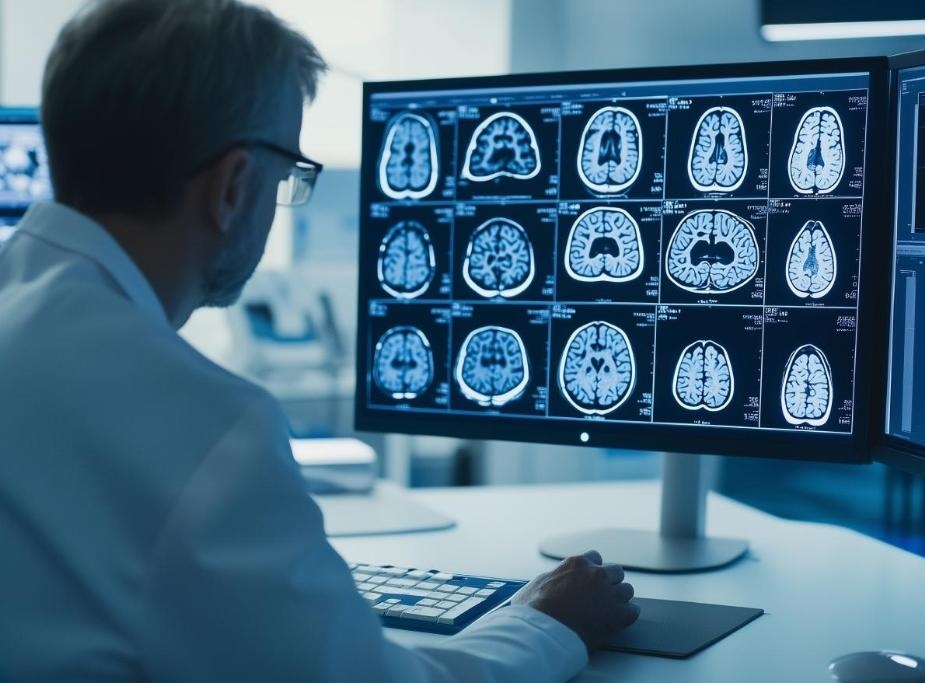
Healthcare is entering a new era shaped by data, visualization, and precision technology. Across multiple medical fields, clinics, and healthcare providers are increasingly adopting artificial intelligence, advanced imaging systems, and digital analysis tools to improve planning, personalization, and procedural accuracy.
While these innovations were once associated primarily with large hospitals or research institutions, they are now becoming more advanced across specialized healthcare sectors ranging from orthopedics and dentistry to dermatology and aesthetic medicine. The broader shift reflects a growing industry focus on personalization, predictive analysis, and minimally invasive precision.
At the center of this transformation is the rapid evolution of AI-assisted medical planning systems capable of helping physicians analyze patient-specific anatomical data in ways that were previously impossible through traditional consultation methods alone.
The Rise of Visualization-Based Healthcare
Modern medicine increasingly relies on visualization technologies to improve both diagnosis and treatment planning. Three-dimensional imaging systems now allow practitioners to create highly detailed digital models that help evaluate anatomy, simulate outcomes, and support more individualized medical strategies.
These technologies are particularly valuable in procedures where precision and symmetry play an important role. By generating digital replicas of a patient’s anatomy, physicians can better assess structural variations, calculate procedural approaches, and communicate expected outcomes more clearly.
The integration of 3D imaging systems has also improved the consultation process itself. Patients today increasingly expect a more transparent and data-driven understanding of treatments before making decisions. Advanced imaging platforms help bridge this communication gap by transforming abstract explanations into visual simulations and measurable planning.
Beyond patient communication, visualization technologies can also contribute to workflow efficiency and procedural consistency. Clinics adopting digital planning tools are often able to standardize certain aspects of analysis while still maintaining highly personalized treatment approaches.
AI and Predictive Analysis in Medicine
Artificial intelligence is also becoming an important component of modern healthcare infrastructure. AI-driven systems are now used in areas such as radiology, pathology, predictive diagnostics, and image recognition. These tools assist medical professionals by processing large amounts of visual and analytical data rapidly and with increasing sophistication.
Rather than replacing physicians, AI technologies are primarily being used to support decision-making and improve analytical precision. In many cases, machine-learning systems can identify patterns, calculate measurements, and assist in evaluating variables that may otherwise require significant manual analysis.
This trend reflects a broader movement toward precision medicine — an approach focused on tailoring healthcare decisions around the unique characteristics of each patient rather than relying exclusively on generalized treatment models.
In highly visual medical specialties, AI-assisted platforms are increasingly integrated with imaging technologies to support treatment simulations, anatomical mapping, and procedural planning. These developments are helping physicians approach complex procedures with greater consistency and predictability.
Robotics and Precision Technology
Another important development within healthcare innovation is the growing use of robotic and digitally assisted systems. Precision-focused technologies are becoming increasingly common in operating rooms, diagnostic environments, and specialized clinics where procedural accuracy is critical.
In some sectors, robotic platforms are now used to assist with navigation, imaging, and treatment planning rather than direct autonomous intervention. These systems often combine cameras, sensors, AI analysis, and digital modeling to help physicians optimize procedures and reduce variability.
One example of this evolution can be seen in platforms such as the Doku Studio Arc, a robotic scanning and analysis system developed to support planning in hair restoration and facial aesthetic procedures. The system creates a detailed 3D digital model of the patient’s anatomy while incorporating high-resolution imaging and treatment simulation capabilities.
The platform also includes microscopic analysis features capable of examining individual hair structures under high magnification, helping physicians evaluate donor quality and procedural planning with greater precision. Its design and technological integration have received international recognition, including both the German Design Award 2023 and the iF Design Award 2023.
Systems like these reflect a broader healthcare trend in which precision diagnostic technology is increasingly integrated into patient planning, procedural visualization, and personalized treatment development.
The Future of Personalized Healthcare
As healthcare continues evolving, personalization is expected to become one of the defining characteristics of modern medical practice. Patients increasingly seek treatments tailored to their individual anatomy, needs, and long-term expectations rather than standardized approaches.
At the same time, providers are under growing pressure to improve consistency, efficiency, and communication while maintaining high levels of precision. Technologies such as AI analysis, 3D imaging, robotic scanning, and digital simulations are helping address these demands across multiple healthcare sectors.
Although human expertise remains central to medicine, technological systems are becoming increasingly important tools that support physicians in delivering more data-driven and personalized care.
The convergence of artificial intelligence, visualization platforms, and precision engineering is no longer a futuristic concept. It is already reshaping how modern healthcare is analyzed, planned, and delivered today.
Media Contact
Company Name: drserkanaygin
Email: Send Email
Country: United States
Website: https://www.drserkanaygin.com

If you believe this article contains misleading, harmful, or spam content, please let us know.
Leave a Reply