
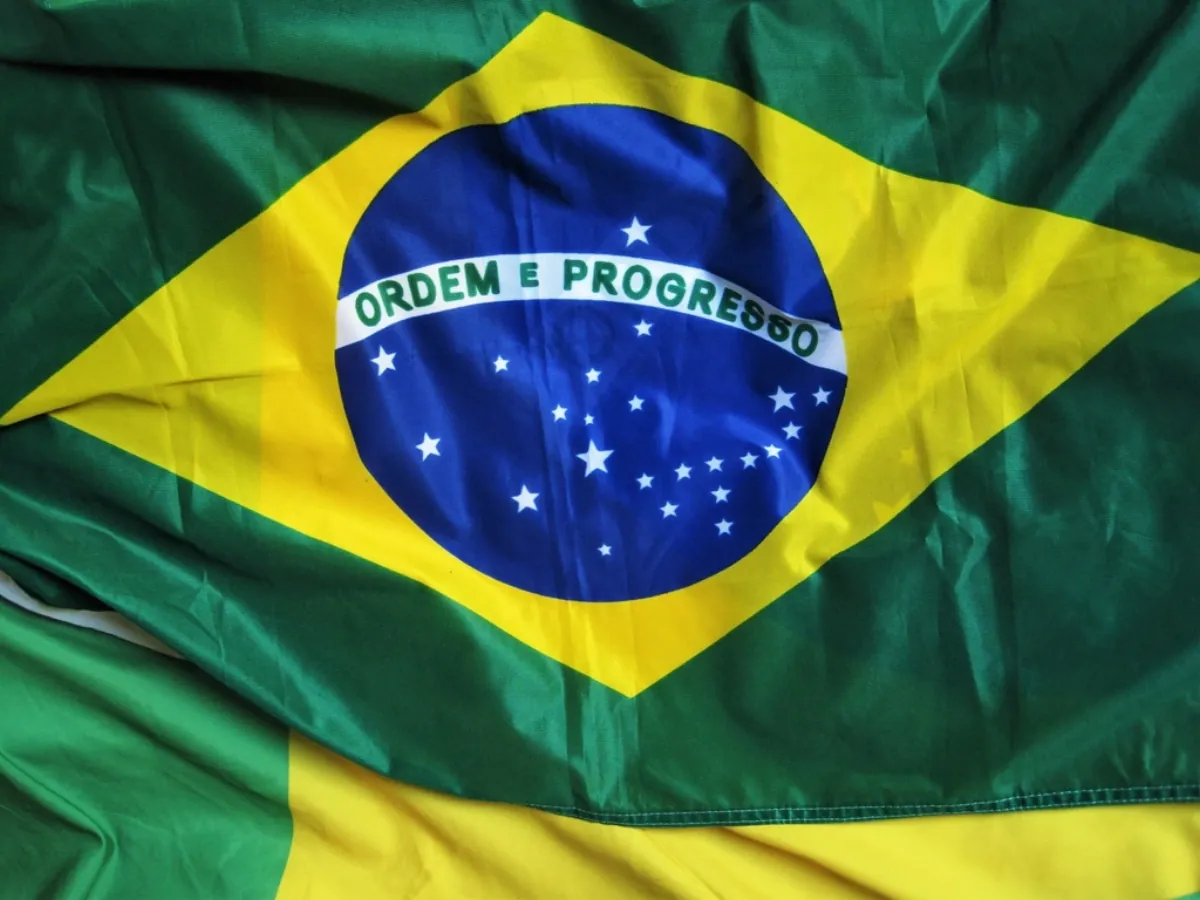
Three weeks ago, most people had written him off. Luiz Inácio Lula da Silva finished second in the first round, trailed in almost every final poll, and was up against the son of the man he beat in 2022. On Sunday night, he won anyway.
Brazil’s electoral court declared Lula the winner of the October 25 presidential runoff with 100% of votes counted. He took about 51.8% of the vote and finished nearly 4.4 million votes ahead of right-wing senator Flávio Bolsonaro, according to the court’s count as reported by CBS News and the Associated Press. It gives Lula, who turns 81 soon, a fourth, non-consecutive term starting January 5, 2027, pending final confirmation by electoral authorities.
The celebrations came with a catch. Bolsonaro refused to concede and called for the result to be annulled, pointing to a chaotic evening at some polling stations after voting hours were extended.
Quick Facts
- Who: President Lula da Silva (Workers’ Party) vs Senator Flávio Bolsonaro
- What: Lula won the presidential runoff and a fourth term
- When: Vote held Sunday, October 25, 2026; new term begins January 5, 2027
- Where: Brazil, Latin America’s largest economy
- Key number: About 51.8% for Lula, a lead of nearly 4.4 million votes
- Dispute: Bolsonaro has not conceded and wants the result annulled
How Lula Turned a First-Round Loss Into a Win
In the first round on October 4, Bolsonaro came first with about 47% of the vote to Lula’s 45%, a gap of roughly 2.2 million votes. Polls before the runoff mostly showed Bolsonaro narrowly ahead, and the race was widely called a toss-up.
That makes the result unusual. According to AP, it is the first time since military rule ended in 1985 that the candidate who finished second in the first round went on to win the presidency.
In the final weeks, Lula’s government rolled out measures aimed squarely at household budgets, AP reported. These included a debt relief scheme for small businesses, free public transport on weekends, and Senate backing for ending the six-day working week. Bolsonaro, meanwhile, campaigned on tough crime policies and lower food prices.
Why Voting Hours Were Extended on Polling Day
Polling day did not go smoothly. Just three minutes before polls were due to close, Supreme Court Justice Cristiano Zanin ordered them to stay open for two more hours. Both campaigns had asked for an extension, for different reasons.
- Lula’s side complained about bus problems in São Paulo and Salvador, cities where he tends to do well. A state electoral judge said at least 75 buses were kept from leaving municipal garages in Bahia.
- Bolsonaro’s side pointed to heavy rain in southern Brazil, his stronger region.
It is not clear how many polling stations actually stayed open late. In parts of Rio de Janeiro, some voting machines were switched off at the normal closing time and could not be restarted, AP reported. Bolsonaro ally Nikolas Ferreira also pointed out that Justice Zanin was once Lula’s lawyer.
What Lula and Bolsonaro Said After the Result
Lula called the win “a defeat for denialism and lies” and said Brazil “will not accept being anyone’s backyard”, a line widely read as aimed at Washington. He also said those behind the bus disruptions “need to respect democracy”.
Bolsonaro, for his part, did not accept the outcome. He has asked for the result to be annulled, and reports say the late extension could become the basis for a legal challenge. Before the vote he had said Brazil could not continue on its current path for another four years.
The Trump Factor and Latin America’s Rightward Swing
This election was watched far beyond Brazil. US President Donald Trump has placed heavy tariffs on Brazilian exports, and he said on Sunday he was following the vote but did not endorse anyone. Lula warned during the campaign against US interference, while Bolsonaro highlighted his ties to the White House and promised better trade deals.
Several right-leaning, Trump-friendly candidates have won elections across Latin America recently. Outlets including AP and The Washington Post described Lula’s victory as a break in that trend. With Brazil and Mexico both now led by left-of-centre governments, the region’s two biggest economies sit on the same side politically.
Markets may react differently. Bloomberg reported that Brazilian assets were braced for a sell-off on Monday after the surprise result, with the real’s futures sliding in early trade.
Why Brazil’s Election Matters for India
Brazil and India are both founding members of BRICS and often line up together on issues such as trade rules and the interests of developing countries. Lula has generally favoured close ties with New Delhi and with the wider Global South, so his win points to continuity in that relationship rather than a sharp turn.
For Indian businesses with links to Brazil, the bigger question is economic. Any market volatility in Brazil and the state of its trade fight with the US could matter for companies exporting to or investing in the country. There was no official reaction from India at the time of writing.
What We Don’t Know Yet
- Whether Bolsonaro will file a formal legal challenge, and on what grounds.
- How many polling stations stayed open during the two-hour extension.
- What the electoral court’s review of the bus disruptions in Bahia will conclude.
- How Washington will respond officially to the result.
FAQs
Who won the Brazil election 2026?
Lula da Silva won the October 25 runoff with about 51.8% of the vote, beating Flávio Bolsonaro by nearly 4.4 million votes, according to Brazil’s electoral court.
When will Lula’s fourth term start?
His new term is due to begin on January 5, 2027, once electoral authorities confirm the result.
Has Flávio Bolsonaro conceded?
No. He refused to concede and asked for the result to be annulled, citing problems after voting hours were extended.
Why was voting extended in Brazil?
Justice Cristiano Zanin extended voting by two hours after both campaigns asked for it, citing bus disruptions in some cities and heavy rain in the south.
Official results are published by Brazil’s Superior Electoral Court (TSE). For a detailed account of polling day, see CBS News.
Based on reporting by the Associated Press (via CBS News and PBS NewsHour), Bloomberg, Le Monde and Al Jazeera.






Leave a Reply