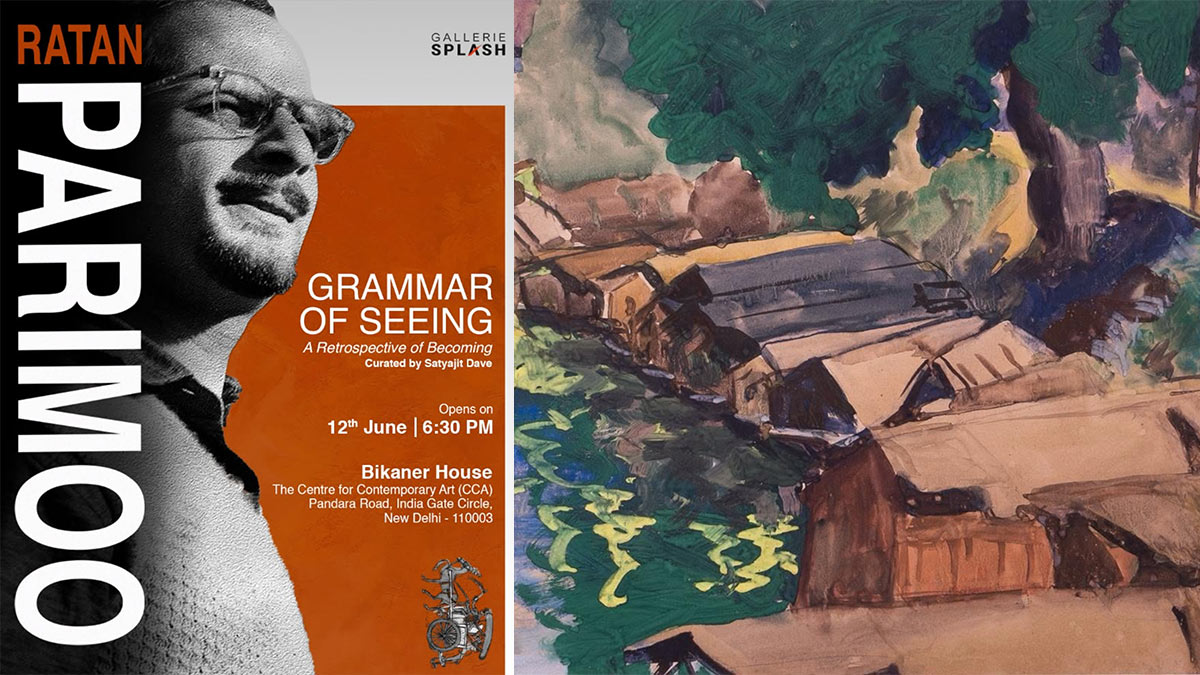
A major retrospective dedicated to Padma Shri awardee and artist-scholar Ratan Parimoo has opened at the Centre for Contemporary Art (CCA), Bikaner House, New Delhi. Titled Grammar of Seeing: A Retrospective of Becoming, the exhibition is curated by Satyajit Dave and presented by Gallerie Splash. Running from 12 to 16 June 2026 in Delhi, the exhibition will continue at Gallerie Splash, Golf Course Road, Gurgaon, from 17 June to 15 July 2026.
The exhibition brings together paintings, prints, drawings, collages, archival documents, photographs, letters and personal writings spanning several decades of Parimoo’s artistic practice. Rather than functioning solely as a retrospective, the exhibition examines how observation, memory, pedagogy and material experimentation shaped the artist’s evolving visual language.
Through a wide range of works, visitors can trace Parimoo’s journey from academic studies and Kashmir-inspired imagery to increasingly abstract explorations of colour, rhythm and spatial relationships.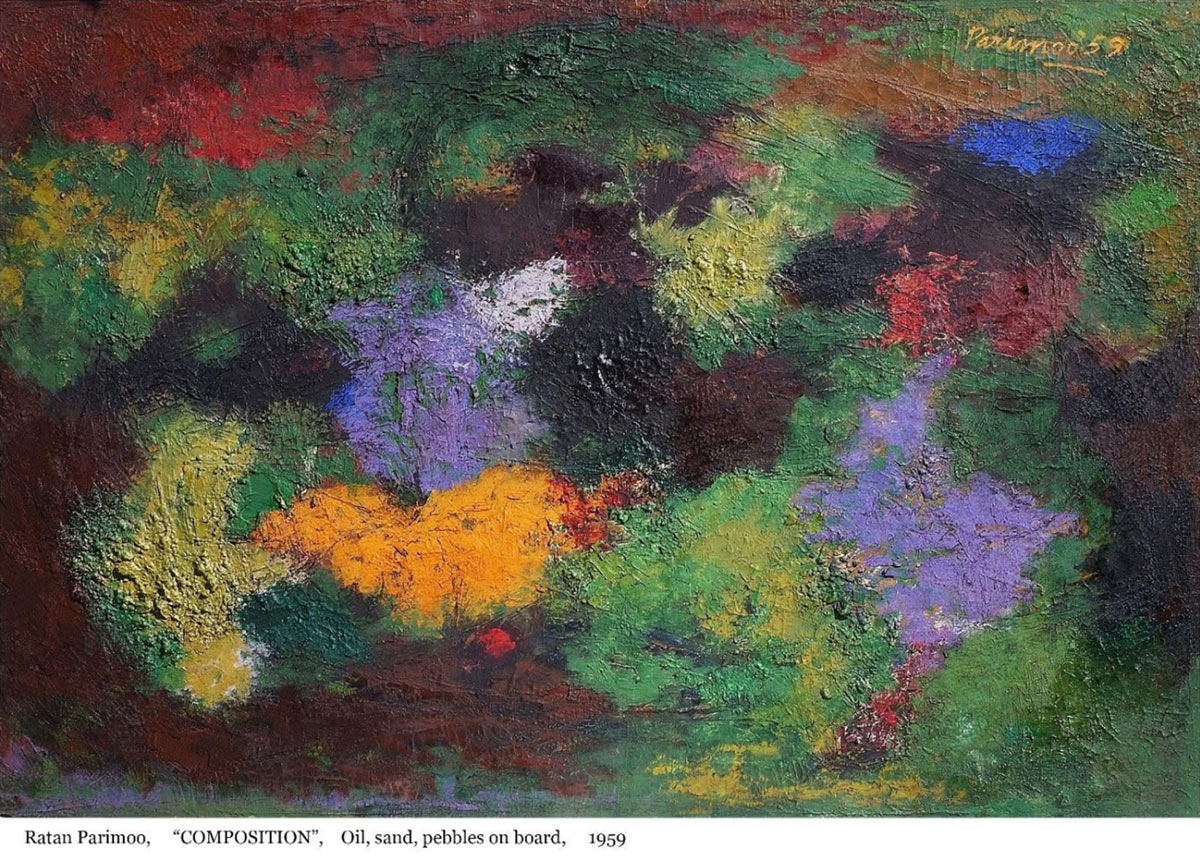
The exhibition is organised into three curatorial sections:
Together, these sections explore how Parimoo’s abstraction emerged through sustained observation and formal discipline rather than a complete departure from representation. The presentation highlights the continuity between his early studies and later abstract compositions.
A distinctive feature of the exhibition is the integration of archival material alongside artworks. Letters, photographs, lecture notes, exhibition catalogues and personal writings have been woven into the display to illuminate Parimoo’s multiple roles as artist, educator, researcher and institution builder.
The curatorial approach positions these materials as an essential part of understanding the artist’s intellectual and creative development.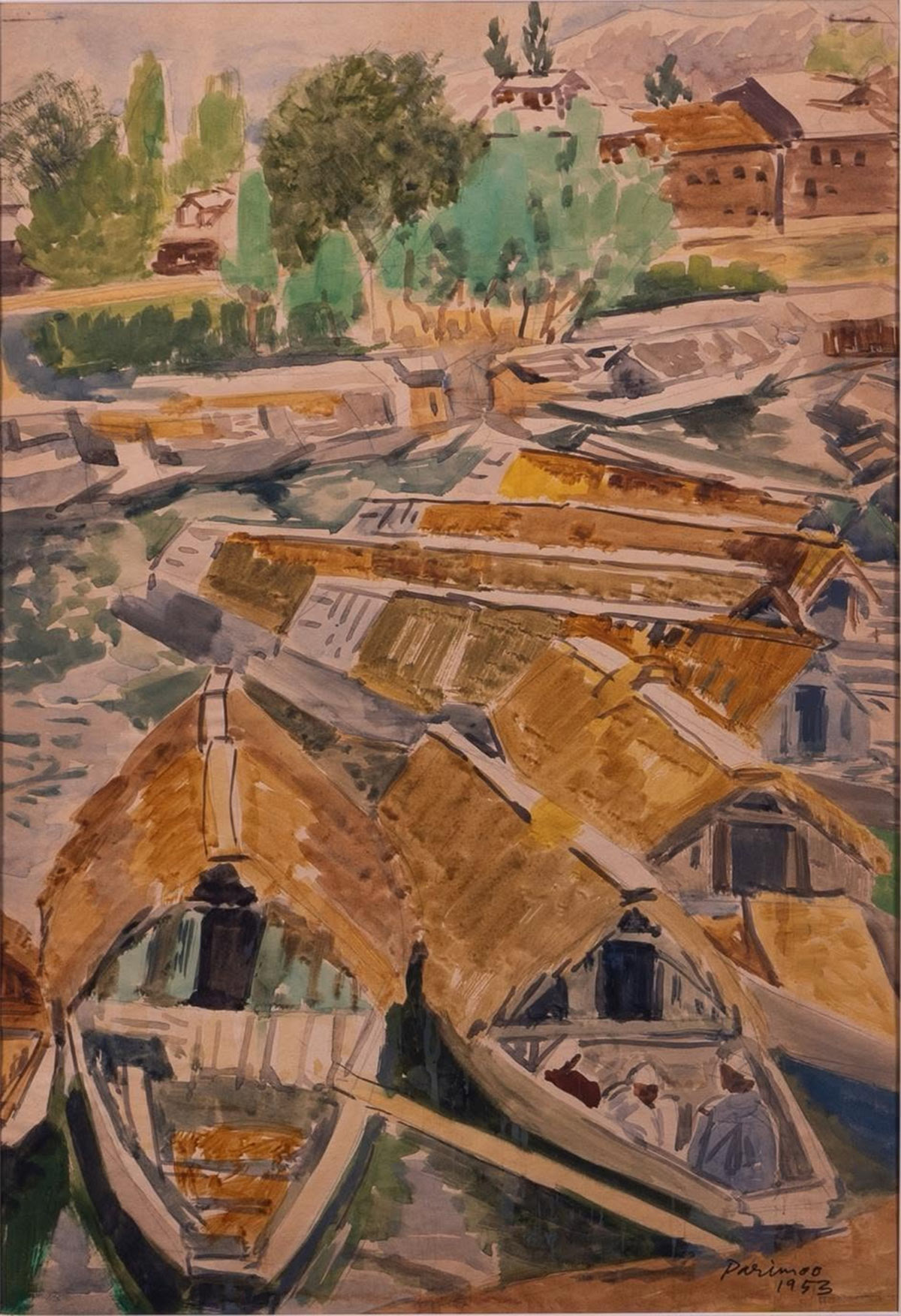
Curator Satyajit Dave describes the exhibition as an invitation to reconsider Parimoo’s place within the history of Indian modernism. Particular attention is given to the artist’s early experimentation with materials including sand, pigment, glue, pebbles and textured surfaces.
The exhibition argues that these investigations contributed significantly to the development of abstraction in post-Independence Indian art and deserve greater recognition within broader narratives of Indian modernism.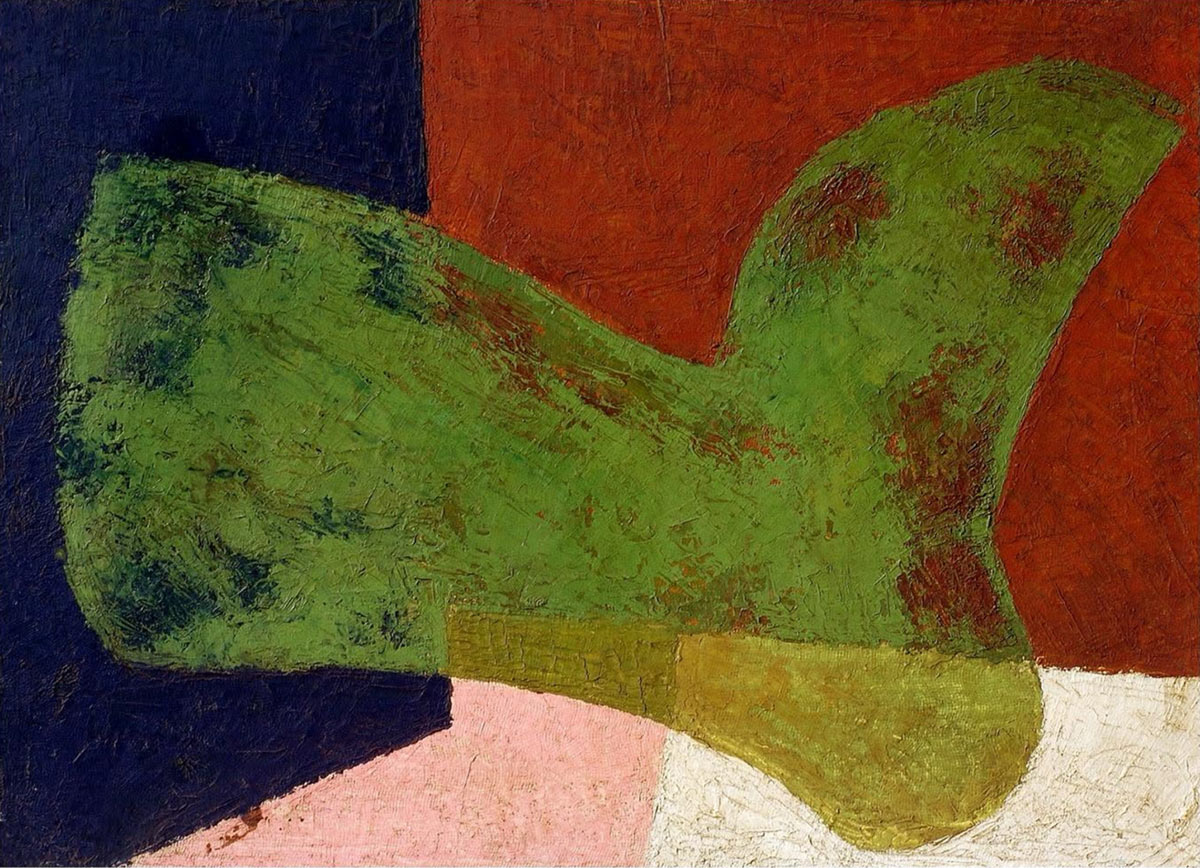
Born in Srinagar in 1936, Ratan Parimoo is widely recognised as one of India’s foremost art historians, educators and painters. He was a founding member of the Baroda Group, an influential collective associated with the Faculty of Fine Arts at The Maharaja Sayajirao University of Baroda, which played a significant role in shaping modern Indian art.
Parimoo served as Professor and Head of the Department of Art History and Aesthetics at the Faculty of Fine Arts and became one of the country’s most influential art educators. He is also known for his scholarship on Indian art history and museum studies. In 2025, he was honoured with the Padma Shri for his contributions to art and education.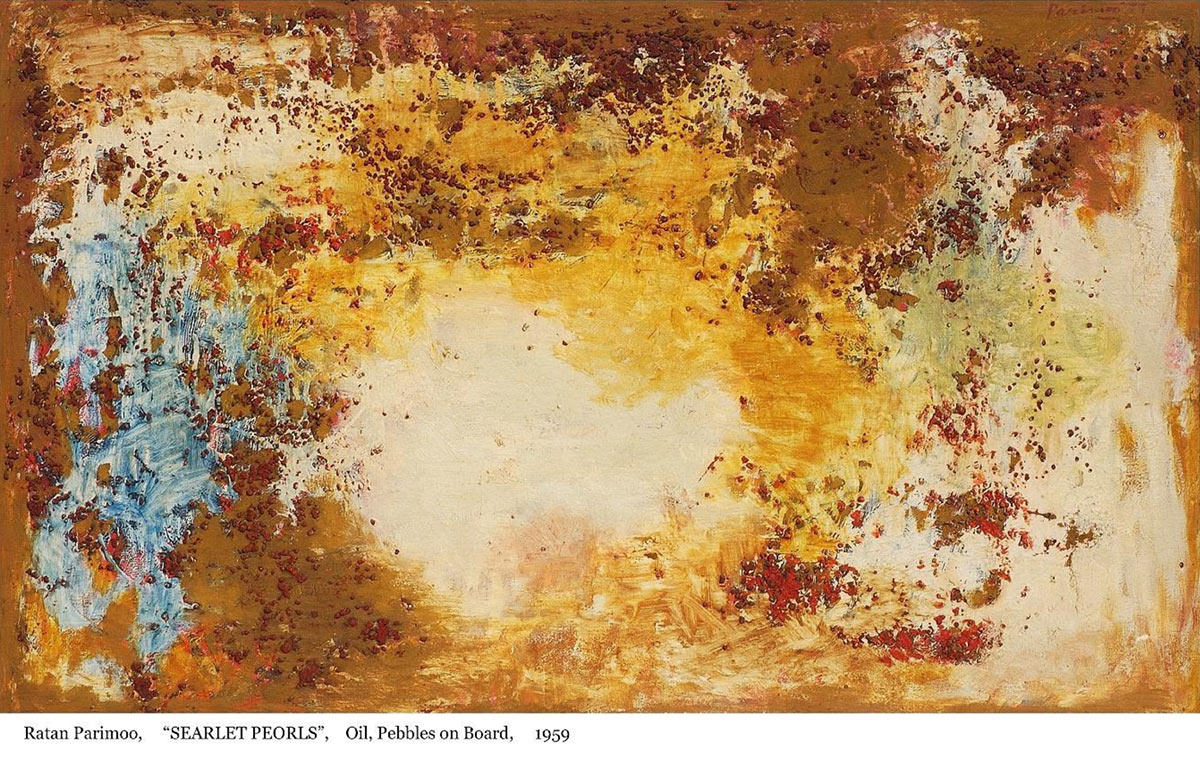
Founded in 2010 by Jinoy Payyappilly, Gallerie Splash has established itself as a research-driven contemporary art institution supporting artists, curators and interdisciplinary practices. Through exhibitions, workshops and its Curatorial Fellowship Program, the gallery has contributed to critical dialogue across contemporary art, design and material-based practices.
The Gurgaon venue will host the second phase of the exhibition, extending public access to this extensive survey of Parimoo’s work through mid-July.
Grammar of Seeing presents an opportunity to engage with the many dimensions of Ratan Parimoo’s practice—as painter, teacher, researcher and thinker. By bringing together artworks and archival material, the exhibition offers a broader understanding of his contribution to Indian modernism. For audiences, scholars and younger artists, the retrospective provides insight into how observation, experimentation and critical inquiry can shape a lifelong engagement with art and culture.
Image credits: The copyright for the images used in this article belong to their respective owners. Best known credits are given under the image. For changing the image credit or to get the image removed from Caleidoscope, please contact us.
This site includes Amazon affiliate links, which may earn us a small commission at no extra cost to you.
© Caleidoscope 2026
Padma Shri Ratan Parimoo’s ‘Grammar of Seeing’ Opens at Bikaner House, New Delhi – caleidoscope.in
Home
Latest News
Padma Shri Ratan Parimoo’s ‘Grammar of Seeing’ Opens at Bikaner House, New Delhi – caleidoscope.in
Leave a Reply