For creators exploring the fast-changing world of AI tools, Unrestricted AI Image Editing offers more creative control, fewer limitations, and faster visual production. This guide explains how to evaluate AI image editors, use them responsibly, and turn raw ideas into polished visuals with a smoother workflow. It also shows how these tools can support broader content creation, similar to using an uncensored AI video generator for dynamic projects.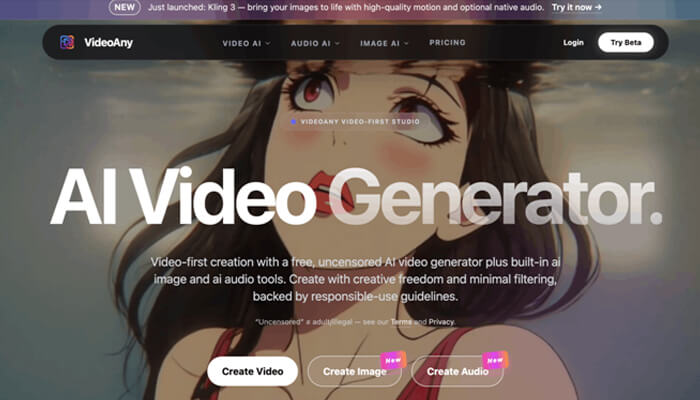
Before diving into specific tools, clarify the end goal for your visual asset. Are you generating quick concepts, refining a character design, creating polished marketing collateral, or developing a repeatable content series? Understanding your desired outcome will steer your tool selection and workflow decisions, ensuring you choose an editor that truly serves your artistic vision rather than getting sidetracked by a long list of features.
The terms “unrestricted” and “uncensored” in AI tools often overlap but carry important distinctions. “Unrestricted” typically refers to the absence of keyword blocks or input filters, allowing for a broader range of thematic and stylistic prompts. This freedom is valuable for creators exploring niche, experimental, or mature subjects. However, creators must always operate within legal and ethical boundaries, prioritizing consent-safe and lawful content creation. Evaluate how each tool handles sensitive prompts, not just its ability to accept them, but also its capacity to produce usable, responsible outputs.
When comparing potential AI image editors, resist the urge to simply scroll through feature lists. Instead, select a small set of promising tools – perhaps VideoAny Editor, Stable Diffusion Inpainting (Self-Hosted), or InvokeAI – and run a consistent test. Use the same source image, the same detailed prompt, and the same desired output style across all chosen options. This controlled experiment will reveal crucial differences in:
This approach highlights which tool best supports your actual creative process, rather than relying on isolated impressive demos.
Demos and initial tests can be misleading. True insight into an AI editor’s utility comes from evaluating its performance over multiple attempts and under varying conditions. Pay close attention to:
A tool’s ability to consistently deliver predictable, high-quality results across several revisions is far more valuable than a single stunning output.
The most effective AI workflows are those you can revisit and improve upon. Document your successful prompts, save source assets, and keep records of both accepted and rejected outputs. This practice transforms individual experiments into a systematic, reusable production method. By making small, measurable changes—adjusting one prompt detail or one source image at a time—you can pinpoint what works and build a reliable creative process.
Finally, consider integrating your still image work with motion. Once your initial image or edit is complete, a tool like Image to Video AI can help you test whether your visual concept translates effectively into animation, pacing, and the next stage of your publishing workflow. This holistic approach ensures your unrestricted creative freedom leads to tangible, high-quality outcomes.
Tycoonstory is the largest Online Network for Entrepreneurs & Startups. Tycoonstory gives the opportunity to share the challenges of being an entrepreneur and offers a regularly updated resource on entrepreneurship. Tycoonstory explores the creative process and issues around how people, companies, and industries are making it happen.
© 2026 All Rights Are Reserved | TYCOONSTORY MEDIA
Leave a Reply